Can you see whales in Tenerife all year round?
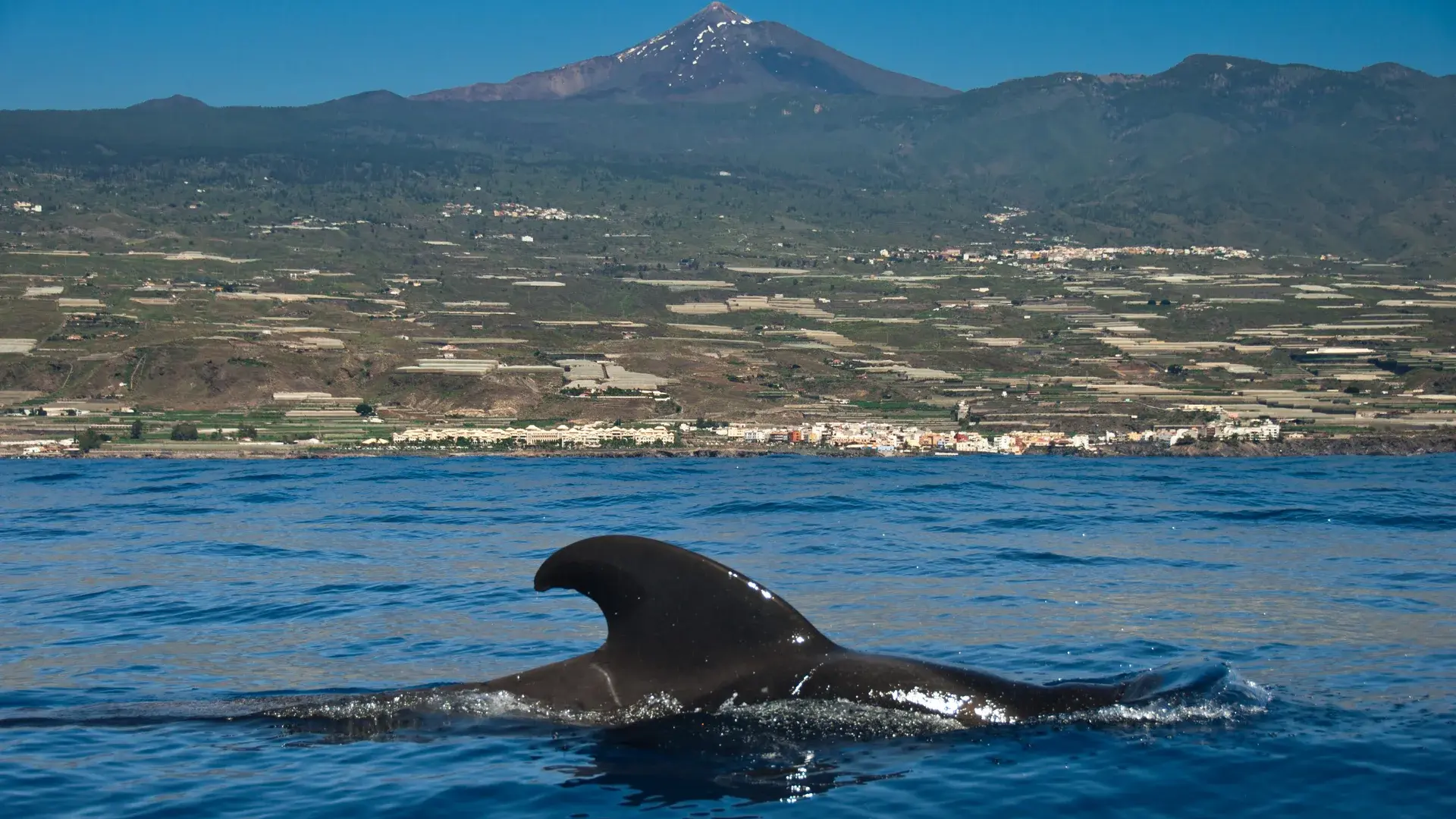
Yes. The Spanish Environment Ministry's sheet on the Franja marina Teno-Rasca, the protected sea off the south-west coast, says bottlenose dolphins and short-finned pilot whales keep resident populations there all year.
Warm, calm water for much of the year and great depths close to the shore explain it, says the same sheet, which records up to 22 cetacean species in the area. Loggerhead and green turtles are regulars too; for the less common whales, Turismo de Tenerife says it depends on the season.
Where do the boats go, and where do they leave from?
They head for the Franja marina Teno-Rasca, a Special Area of Conservation of 69,489.68 ha along the coasts of Buenavista del Norte, Santiago del Teide, Guía de Isora, Adeje and Arona. It has been part of the European Natura 2000 network since September 2011.
Turismo de Tenerife, the island's tourist board, places the resident groups between the south coast and La Gomera, about three miles offshore. The trips leave from three harbours: Los Cristianos in Arona, Puerto Colón in Adeje and Los Gigantes in Santiago del Teide.
The tourist board describes outings from two hours up to five, some with food on board and a swimming stop in coastal waters. Its advice for the day: sun cream, something for seasickness and a warm layer, because it can get windy at sea.
How do you recognise a licensed boat?
By its flag. Under the Canary Islands Government's Decree 178/2000, every boat of a company licensed for whale watching must fly the Barco Azul (Blue Boat) badge where it can be seen; the tourism department hands it over with the licence and with each yearly renewal.
It is a canary-yellow flag of 80 cm by 50 cm: two white pilot whales on blue inside a red-and-white lifebuoy, the words Barco Azul/Blue Boat in blue capitals and, underneath, the period the licence covers in blue figures.
The same decree requires a specialised tour guide on board and the licence, or a certified copy, on the boat at all times. Running these trips without the licence, the guide or the flag can be sanctioned.
How close can a whale-watching boat get?
Never closer than 60 m as a manoeuvre, and only a few boats at a time. Decree 178/2000 treats all of the following as disturbing the animals, which is an offence.
Also banned within 500 m: cutting across their path, circling or chasing them, touching them, using anything to attract them, throwing food or rubbish into the sea and making loud noise.
| Situation | What the decree allows |
|---|---|
| Approaching a whale or a group | No manoeuvres closer than 60 m |
| Starting the engine or reversing while stopped | Not within 60 m |
| Within 100 m of the animals | No boat enters if 2 are already there |
| Within 500 m of the animals | No boat enters if 3 are already there |
| Speed within 500 m | Up to 4 knots, or the speed of the slowest animal |
| Time within 100 m | No longer than 30 min |
| Swimming or diving | Not within 500 m |
| Jet skis | No watching within 500 m |
Can you swim with the dolphins?
Not with the wild ones. Swimming or diving within 500 m of a cetacean or a group is on the decree's list of disturbing conduct, and the Ministry's rules for Teno-Rasca ban any activity that may disturb or harm cetaceans and sea turtles.
When a trip includes a swim, the tourist board describes it as a dip in coastal waters. The Ministry also asks boats crossing the area to slow down, to avoid hitting whales or turtles and to keep engine noise down.
A morning at sea, a night in the south
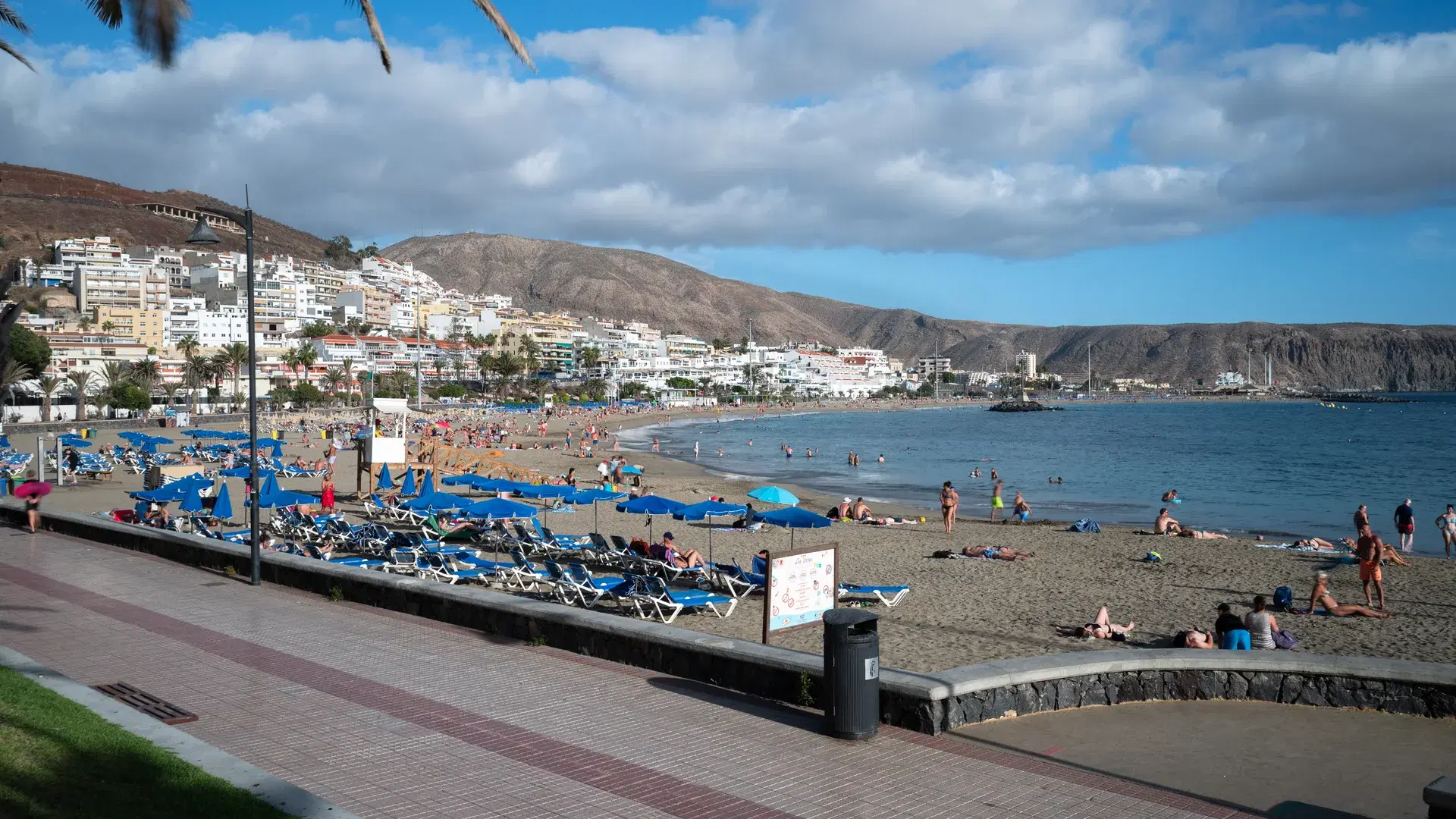
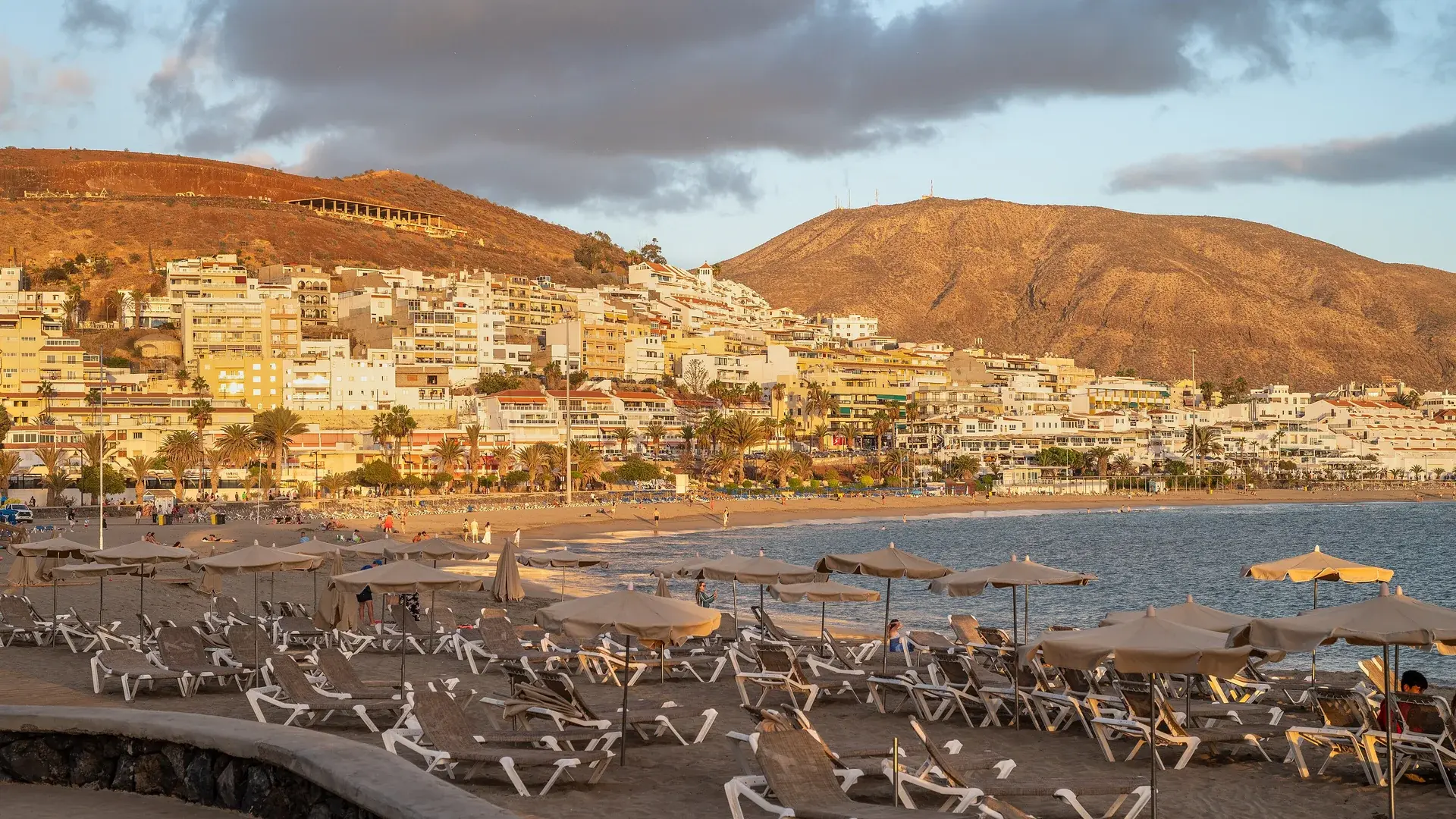
Two of the three harbours share a municipality with our club nights. Los Cristianos is in Arona, home to Mala Mía and WILD; Puerto Colón is in Adeje, where Papagayo and Monkey Beach Club have their Costa Adeje addresses. Every venue, area by area, is on Tenerife South clubs.
After a day on the water, a slower evening fits: Tenerife nights for couples gathers the sunset terraces, the rooftop and the dinners our venues publish. Every dated night is in the calendar.